
Vertalen Featured
What Does a Translation Cost? Pricing Explained
Discover what professional translation costs, which factors influence pricing and how to get the best value for your translation project.
Ecrivus International
Read article 
Knowledge base
Practical guidance on certified translation, interpreting, AI with human revision and international language strategy, written by our team in Maastricht.
Topics
Each theme links through to the related service, so you can go from explanation to request.
When a sworn or certified translation is required, how the NRPSI register and professional bodies such as CIOL and ITI work, and what an Apostille adds.
Legal translationThe difference between translation and interpreting, when to book a conference or court interpreter, and how remote interpreting works.
Interpreting servicesHow machine translation with post-editing works, where CAT tools speed up the work, and where a subject-specialist has the final say.
AI solutionsLanguage-specific guidance per market and sector knowledge for legal, technical, medical and marketing documents.
All languages225+
languages
10,000+
linguists in our network
25,000+
projects delivered
20+
years of experience (since 2006)
Recent articles
Discover what professional translation costs, which factors influence pricing and how to get the best value for your translation project.
Not every translation needs to be certified. Learn when a certified translation is required, what makes it official, and how to get one quickly.
Translation and interpreting are distinct disciplines. Learn the key differences, explore interpreting types and find out which service suits your needs.

Machine translation post-editing combines AI speed with human quality. Learn how it works, its benefits, and when to avoid it.

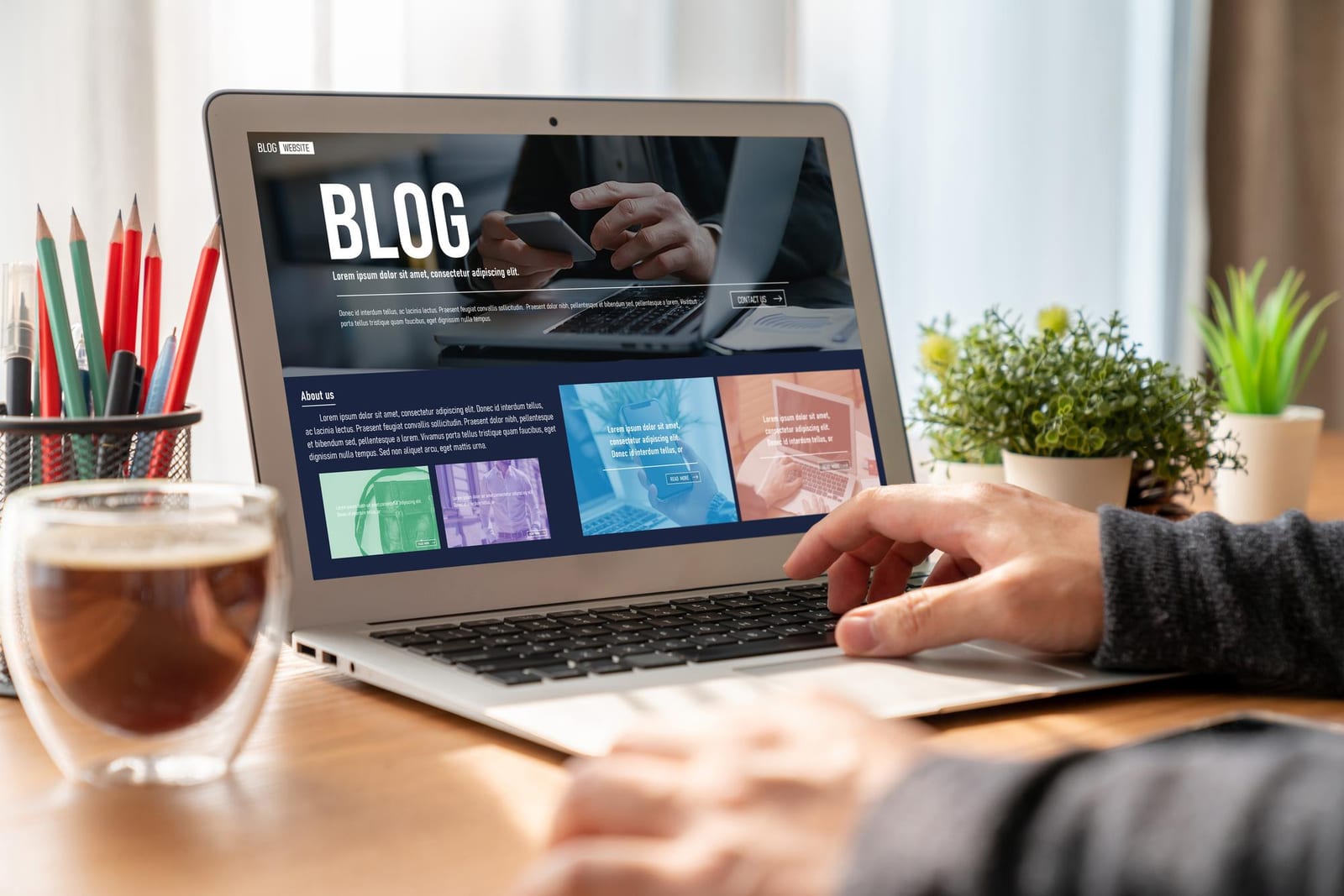
Planning to translate your website for international visitors? Discover the key steps, SEO requirements and costs for a professional multilingual website.
A project manager is happy to review it with you, no obligation
Request a no-obligation quote or discuss your project with a specialist. On working days you receive a reply within 30 minutes.